Smoky Tinga Comfort

Malcolm
| 23-01-2026
 · Cate team
Chicken tinga is a dish that feels expressive without being complicated. It brings together gentle heat, slow-cooked aroma, and a sauce that clings naturally to every bite. For Lykkers, this guide approaches chicken tinga as a recipe you grow into rather than rush through.
You are not only preparing a meal, but also learning how timing, texture, and balance work together. With a relaxed mindset, chicken tinga becomes an easy, adaptable dish that fits everyday cooking while still feeling special.
The Heart of Chicken Tinga
Chicken tinga is built on layers. Each ingredient contributes quietly, and the steps allow those flavors to develop without force. This part focuses on how everything comes together in a steady, approachable way.
Ingredients That Build Depth
The ingredient list is simple, yet every item has a role. When combined patiently, they create a sauce that feels rich and rounded.
· Chicken pieces, cooked and gently shredded
· Tomatoes, fresh or canned, for body and brightness
· Onion, sliced thin, to add sweetness and structure
· Garlic cloves, finely minced, for warmth
· Chipotle peppers in adobo sauce, used sparingly for smoky heat
· Dried oregano for earthiness
· Ground cumin for gentle depth
· Olive oil to carry flavor
· Salt and black pepper to balance everything
As you set these out, you may notice that none feel overpowering alone. The character of chicken tinga comes from how they merge.
Steps You Can Follow Calmly
This process rewards patience more than precision. You are guided by aroma, color, and texture rather than strict timing.
1. Warm olive oil in a wide pan over medium heat
2. Add sliced onion and let it soften slowly until translucent
3. Stir in garlic and allow its aroma to open gently
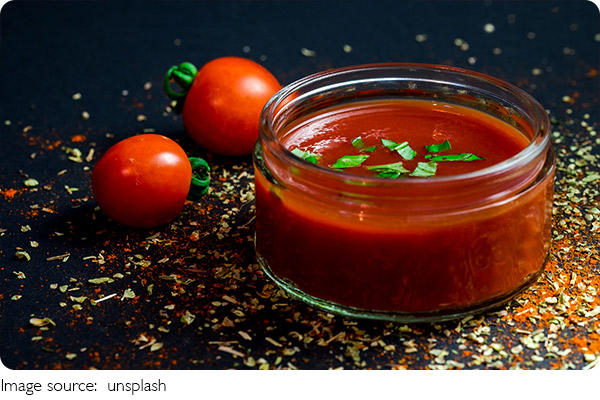
4. Blend tomatoes with chipotle and spices until smooth
5. Pour the sauce into the pan and let it simmer quietly
6. Add shredded chicken and fold it through the sauce
7. Reduce heat and let everything cook together, stirring occasionally
8. Taste and adjust seasoning until the balance feels right
You are watching how the sauce thickens and coats the chicken. When it looks glossy and cohesive, the dish is ready.
Understanding the Texture
Good chicken tinga should feel saucy without being loose. The chicken absorbs flavor while still holding its shape. If the mixture feels too thick, a small splash of water softens it. If it feels thin, extra simmering brings it together naturally.
From Kitchen to Table
Once the chicken tinga is ready, the focus shifts from cooking to enjoyment. This dish is known for how easily it fits into different meals and moments.
Ways to Serve with Ease
Chicken tinga works well in soft tortillas, over rice, or alongside beans and vegetables. You might serve it family-style, letting everyone build their own plate. This flexibility keeps the meal relaxed and interactive.
Adjusting Heat and Flavor
Not everyone prefers the same level of heat. You can keep the base mild and offer extra chipotle on the side. This approach respects different tastes while preserving the smoky character that defines the dish.
Making It Fit Your Routine
Chicken tinga often tastes even better after resting. Preparing it ahead allows flavors to deepen, making it a reliable option for busy days. Reheating gently keeps the texture smooth and inviting.
Why Chicken Tinga Feels Comforting?
There is something reassuring about food that simmers slowly and fills the space with aroma. Chicken tinga feels grounding because it does not rush. It encourages a slower pace, even if the day itself feels full.
Chicken tinga is a reminder that meaningful cooking comes from balance and patience. With simple ingredients and an unhurried approach, you create a dish that feels layered, warm, and adaptable. For Lykkers, the value of chicken tinga lies in its flexibility. You adjust heat, choose how to serve it, and let it fit naturally into your routine. In the end, chicken tinga becomes more than a recipe. It becomes a dependable comfort, shaped by time, attention, and shared enjoyment.