Pour-Over Calm

Nolan O'Connor
| 22-01-2026
 · Cate team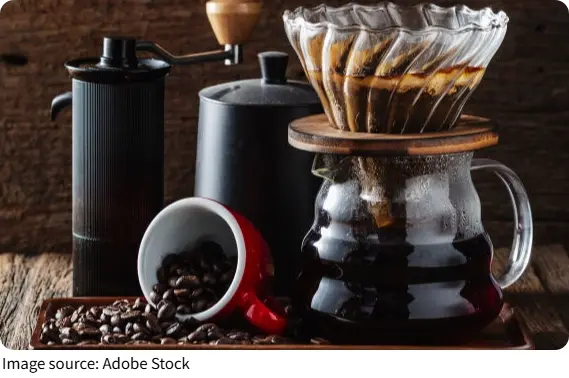
Pour-over coffee is not about speed or shortcuts. It is about paying attention, moving slowly, and letting simple actions shape a richer result. For Lykkers, this guide treats pour-over coffee as both a recipe and a quiet practice.
You are not chasing technical perfection. You are learning how water, coffee, and timing work together to create a cup that feels clear, balanced, and personal. With a relaxed mindset, pour-over coffee becomes less of a task and more of a moment you can return to each day.
From Beans to Bloom
Before water ever touches the coffee, pour-over begins with small choices. These early steps set the tone for everything that follows, shaping aroma, clarity, and depth.
Ingredients and Tools That Matter
You do not need a long list, but each item plays a meaningful role in the final cup.
· Fresh coffee beans, ground just before brewing
· Clean, filtered water for clarity of flavor
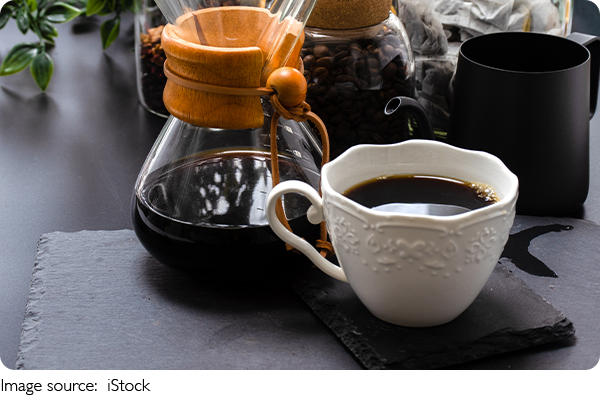
· A pour-over dripper and paper filter
· A kettle that allows steady, controlled pouring
· A mug or carafe to receive the brewed coffee
As you prepare these, you may notice how minimal the setup feels. Pour-over coffee relies on quality and care rather than excess equipment.
Steps You Can Settle Into
This process invites patience. You are guided by sound, aroma, and flow instead of rigid timing.
1. Rinse the paper filter with hot water to remove paper taste and warm the dripper
2. Add freshly ground coffee to the filter, gently leveling the surface
3. Begin with a small pour of hot water, just enough to wet the grounds
4. Pause briefly as the coffee releases aroma and expands, known as the bloom
5. Continue pouring slowly in circular motions, keeping the water level steady
6. Allow the water to pass through naturally without rushing
7. Finish pouring once the desired volume is reached
8. Let the final drops pass through before removing the dripper
You are watching how the water moves and listening to the soft sounds of brewing. When the flow feels even and calm, the process is working as intended.
Understanding the Bloom
The bloom is a quiet signal. When coffee expands evenly and releases aroma, it shows freshness and readiness. If it looks uneven, small grind or pour adjustments help next time. These observations turn each cup into a learning moment.
Turning Brewing into a Ritual
Once the coffee is brewed, pour-over reveals its deeper value. This part focuses on how the process shapes experience, not just flavor.
How to Enjoy the First Sip?
Before drinking, you may notice the aroma rising from the cup. Taking a moment to pause allows the coffee to settle and cool slightly. This helps flavors open gently, making the first sip smoother and more expressive.
Adjusting the Cup to Your Taste
Pour-over coffee is forgiving. If the cup tastes too strong, a slightly coarser grind or gentler pour helps. If it feels too light, a finer grind or slower pour adds depth. These changes are simple and encourage exploration rather than frustration.
Why Pour-Over Feels Different?
Pour-over coffee feels intentional because it asks for presence. The steady pouring, the waiting, and the attention to flow slow the pace of the moment. Even on busy days, this brief focus can feel grounding, offering a sense of control and calm.
Sharing the Experience
Making pour-over coffee for someone else often feels thoughtful without being elaborate. The visible process invites curiosity and conversation. Watching water meet coffee can turn a simple cup into a shared experience that feels warm and human.
Pour-over coffee is a recipe built on attention, balance, and patience. With just a few ingredients and a calm approach, you can create a cup that feels clear, expressive, and satisfying. For Lykkers, the true value of pour-over coffee lies in flexibility. You adjust the grind, refine the pour, and shape the moment to suit your day. In doing so, pour-over coffee becomes more than a way to brew coffee. It becomes a small daily ritual that offers focus, calm, and quiet enjoyment, one cup at a time.