Elbe Sandstone Escape

Leila
| 19-01-2026
 · Travel team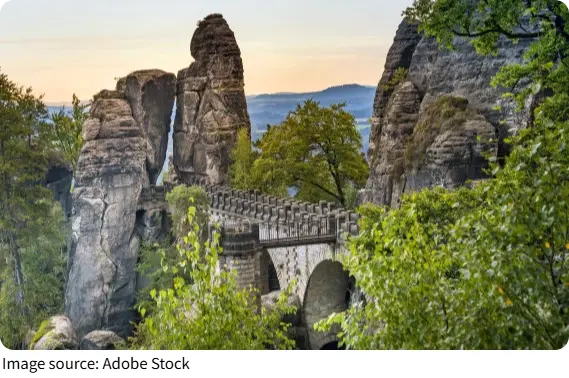
Imagine stepping into a landscape that looks like a painting. We are exploring the Elbe Sandstone Mountains, stretching across southeastern Germany and northern Bohemia in the Czech Republic.
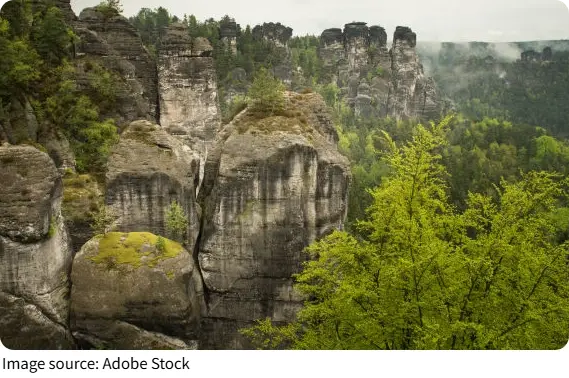
Known as Elbsandsteingebirge in German and Děčínská vrchovina in Czech, this region is famous for towering sandstone cliffs, winding river valleys, and dense forests.
About 75% of the range lies in Germany, with the rest in the Czech Republic. Over millions of years, erosion has sculpted dramatic cliffs, towers, and arches, creating landscapes that feel almost otherworldly.
Where the Mountains Stand
The mountains sit along the border between Saxony, Germany, and northern Bohemia, Czech Republic. The highest peak is Děčínský Sněžník, rising 723 meters (2,372 feet), offering breathtaking panoramic views. The Elbe River cuts through the range, forming narrow gorges and dramatic cliffs. Towns like Bad Schandau in Germany and Hřensko in the Czech Republic serve as excellent bases. From here, we can access trails, viewpoints, and river walks in both countries.
National Parks and Protected Areas
Much of the mountains is protected in Saxon Switzerland National Park (Germany) and Bohemian Switzerland National Park (Czech Republic), often referred to together as Saxon-Bohemian Switzerland.
- Opening Hours: Daily from sunrise to sunset.
Entry Fees: Most trails are free. Paid attractions include:
- Bastei Bridge (Germany): $3 per visitor
- Pravčická Gate (Czech Republic): $6 per visitor, $3 for children; open 9:00 AM – 6:00 PM
Tips: Arrive early at popular spots like Bastei or Pravčická Gate for sunrise photography, or explore less-known trails for quiet hikes.
Best Time to Visit
We recommend April–June or September–October:
- Temperature: Mild, 15–22°C (59–72°F)
- Crowds: Lower than in summer
- Highlights: Spring blooms or autumn foliage enhance the sandstone cliffs
Summer can be busy, and winter trails may be icy, so sturdy footwear is necessary if visiting in colder months.
Transportation Tips
Getting here is convenient with public transport:
By Train:
- Dresden → Bad Schandau: S-Bahn S1, ~1 hour, ~$10
- Děčín → Hřensko: Regional train, ~30 minutes, ~$5
- By Bus: Local buses connect towns to trailheads. Example: Hřensko → Pravčická Gate via bus 241, ~$2
- By Car: Paid parking at main trailheads ~$3–$5 per day
We recommend using train + bus for stress-free travel and to enjoy the scenery fully.
Hiking and Outdoor Adventures
The Elbe Sandstone Mountains are ideal for all levels of hikers:
- Bastei Viewpoint (Germany): Easy 1.5-hour round trip; $3 entry; excellent for sunrise or sunset views
- Pravčická Gate (Czech Republic): Moderate 2-hour hike to Europe’s largest sandstone arch; $6 per person; 9:00 AM – 6:00 PM
- Schrammsteine Trail: Challenging 4–5-hour hike; requires sturdy shoes and water
Tips: Bring water, snacks, a rain jacket, and check trail conditions after rain. Hidden trails offer peaceful immersion in nature, away from the crowds.
Accommodations
Nearby towns provide comfortable lodging options:
- Guesthouses/Small Inns: $40–$80 per night, often including breakfast
- Hotels: $80–$120 per night, some with views of the Elbe River
Tips: Book early for spring and autumn weekends to secure the best rooms
Dining and Local Flavors
After a day of hiking, we can enjoy regional cuisine at local restaurants:
- Simple Meals: Fresh bread, cheese, soups, seasonal vegetables: $8–$12
- Full Dinner: Roasted fish, pasta, or local specialties: $15–$25
Tips: Try local pastries for breakfast—they’re fresh, filling, and perfect before a long hike
A Journey Worth Taking
The Elbe Sandstone Mountains are more than scenic views—they invite us to hike, explore, and connect with nature. From winding gorges to towering sandstone cliffs, every step feels like walking into a natural masterpiece. Lykkers, if you’re looking for adventure, tranquility, and breathtaking views all in one destination, this mountain range should be at the top of your travel list. Let’s lace up our hiking boots and discover this hidden gem together!
Germany [S2-E7]: Explore Saxon Switzerland's Dramatic Rock Formations!
Video by Tour Insights