Phi Phi’s Hidden Magic?

Pankaj Singh
| 20-04-2026
 · Travel team
Friends, looking for an island stay where mornings feel quiet, water looks unreal, and the plan is easy to follow? The Phi Phi Islands deliver that mix with one important detail: only Koh Phi Phi Don has overnight stays.
This guide breaks down the best areas to base yourself, plus realistic prices in USD, transport, and simple day plans.
Laem Thong
Laem Thong sits on the northeast tip and feels far from the busy center, with calmer beaches and a slower rhythm. Teak-style villa resorts and upscale beachfront stays often land around $270–$380 per night, based on today’s exchange rate. A longtail ride to the central bays usually takes about 40 minutes and costs roughly $25 one way.
Long Beach
Long Beach balances swim-friendly calm with quick access to the village, making it a smart “best of both” base. Beach bungalows and simple resort rooms commonly run about $70–$85 per night. Many travelers walk to the center in around 10 minutes or use shared boat hops that can cost about $3–$4 per person, depending on timing.
Tonsai Hub
Tonsai Village is the transport heart, with the pier, shops, casual cafés, and most budget options. Expect compact hotels with air conditioning from about $28–$35 per night, and dorm beds from roughly $10–$16. This area is convenient for early ferries and tours, but it can be noisier, especially near the main walkways.
Tonsai Village
East Bays
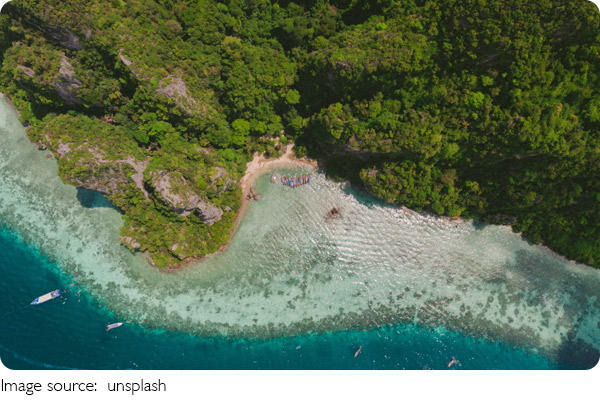
The east side has coves that feel more private, often reachable only by boat. Larger beachfront resorts in these bays may price around $250–$300 per night, while smaller properties can sit lower when booked early. Longtail transfers from Tonsai are commonly quoted around $38 round-trip. Hiking paths are scenic but can be humid, so water and good footwear help.
Budget Sleep
For a wallet-friendly stay, prioritize location and airflow. Fan rooms and hostel dorms are often the best value, especially if the plan is built around day trips and beach time. Expect $10–$16 for dorm beds and $30–$45 for basic private rooms. Earplugs, a lightweight sleep mask, and a small dry bag make budget stays easier.
Midrange Picks
Midrange hotels usually win on comfort: better showers, quieter rooms, and reliable staff help with boats and tours. Plan around $55–$105 per night depending on beach access and pool facilities. Family-friendly bungalows near quieter stretches often include simple extras like breakfast, beach towels, or a small porch, which adds value without inflating costs too much.
Top-Tier Stays
If the trip calls for a splurge, pool villas and premium beachfront resorts can reach about $315–$475 per night in peak season. Some luxury services, like private transfers from a nearby major airport, can climb to around $1,400 one way, so those are best reserved for special occasions. Most travelers get excellent comfort by upgrading only a few nights.
Ferry Links
Most arrivals come by ferry from nearby mainland hubs, usually docking at Tonsai Pier. Typical tickets are about $11–$14 one way, and crossing times often range around 1.5 to 2.5 hours depending on route and sea conditions. Book earlier for morning departures if seas are choppier later, and keep a light jacket for air-conditioned cabins.
Getting Around
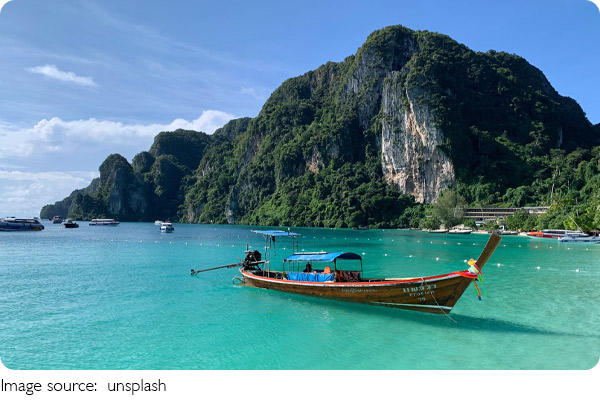
There are no cars on the main island, so movement is by foot and boat. Pack light because paths can be sandy, narrow, and uneven. Longtail taxis are common for beach-to-beach hops, and prices vary by distance, time of day, and group size. A practical approach is to ask for the total fare first, then confirm whether it’s private or shared.
Day Trips
A classic plan includes a half-day boat tour to nearby lagoons and beaches, usually costing around $38 per person for a shared trip, with snorkeling stops and time for photos. Bamboo Isle day tours often land near $48, depending on inclusions. Local boat captains typically recommend leaving early for smoother water and fewer crowds at headline viewpoints.
Water Time
Kayaking is one of the easiest ways to add calm to a busy itinerary. Dawn paddles near sheltered coves offer quieter water and cooler air, while afternoon sessions can be windier. Certified instructors and dive operators often advise keeping valuables minimal and securing phones in waterproof pouches. For guided two-tank dive trips, pricing can be around $110 per person.
Food Finds
Meals can stay affordable with a simple routine: breakfast fruit and rice dishes, midday noodles or stir-fries, and an easy grill plate at night. Common mains often fall in the $4–$8 range, with desserts around $3. In quieter bays, resort dining can cost more, so mixing local cafés with a few “special” dinners keeps budgets steady.
Season Timing
Calmest seas often arrive from November through April, making crossings smoother and water visibility clearer. From May through October, short rain bursts are more common, and prices can drop noticeably, especially for rooms. A flexible plan helps: choose mornings for boat trips, keep a cave or viewpoint walk as a backup, and bring quick-dry clothing.
Conclusion
Phi Phi feels magical when the base matches the mood: Tonsai for convenience, Long Beach for balance, Laem Thong for quiet, and the east bays for seclusion. With boat costs planned and a light packing strategy, days become simple to shape—one beach, one viewpoint, one water adventure. Which area fits your style best, and what would be the one “must-do” on your first morning?