Inca Trail: Kind Trek?

Mariana Silva
| 09-03-2026
 · Travel team
Friends, dreaming of a legendary trek that ends at Machu Picchu, but wanting the journey to feel fair for everyone involved?
The classic Inca Trail is breathtaking, yet it’s also a tightly regulated route where support crews make the experience possible. This guide focuses on practical planning and responsible choices—without losing the adventure.
Trail Snapshot
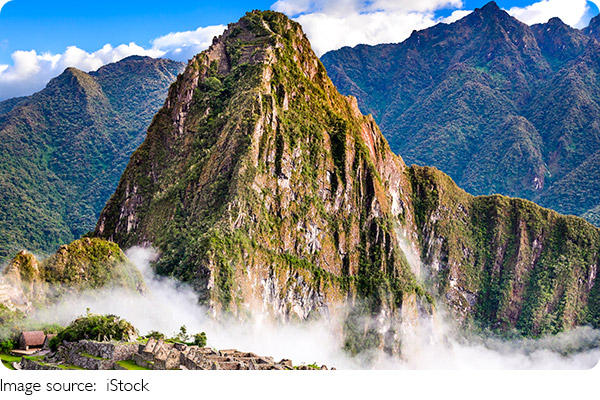
The classic route is usually a four-day walk through high mountain passes and lush cloud-forest sections, finishing with the iconic approach toward Machu Picchu. Most trekkers camp along the way and rely on an operator for logistics. Because independent hiking is not permitted, the quality of the company you choose shapes both comfort and crew conditions.
Permit Math
Permits are limited to 500 people per day total, including trekkers plus guides and porters, which means roughly 200 spots for visitors. Dates sell out far in advance in the busiest months, so booking six months ahead is a common baseline. The trail is typically closed for maintenance every February.
Pick Operators
A responsible operator should explain how many porters are hired, what weight rules they follow, and what gear they provide for staff sleeping arrangements. Look for clear inclusions listed in writing, not vague promises. If a deal feels too cheap compared with typical market ranges, ask how wages, meals, and equipment are funded.
Porter Standards
Per regulations used on the trail, porters have a maximum carry limit of 20 kg, including company equipment, and newer guidance widely cited by operators places a four-day porter wage around $168. Unethical practices still happen, so ask whether loads are weighed and whether staff receive clean water and proper sleeping gear.
Pack Light
The easiest way to support fair conditions is to bring less. Aim for a small daypack with essentials only: rain shell, warm layer, headlamp, water, snacks, and sun protection. Keep personal extras minimal, because “just one more item” can quietly push total loads up. A lighter group also moves safer on steep steps.
Trail Meals
Most reputable operators include all trail meals and hot drinks, usually prepared by a cook team with portable kitchen gear. Confirm the menu style, snack frequency, and how dietary needs are handled before paying. Also confirm that staff meals are planned separately and adequately, not treated as leftover portions after guests finish.
Cost Plan
Prices vary widely by service level, group size, and equipment quality. Recent budget breakdowns for 2026 commonly place the classic four-day trek in a broad band from about $620 to $1,400 for many mainstream options, with higher-end services rising further. Build extra budget for rentals, tips, and pre-trek lodging.
Sleep Before
Arrive early to acclimatize. Many travelers spend two to three nights in Cusco to adjust to altitude before hiking. Accommodation ranges are broad: dorm beds around $10–$20, mid-range hotels around $60–$100, and boutique stays roughly $150–$300+ depending on season. Choose a quiet room to protect sleep quality.
Eat Before
Pre-trek meals should be simple and hydrating. Cusco markets are popular for quick, budget-friendly plates, and several guides estimate local market meals around $2–$4, while tourist-area restaurants can run $15–$30. Favor soups, rice bowls, fruit, and warm tea, then avoid heavy, greasy dinners the night before departure.
Valley Option
Some trekkers shift one night to the Sacred Valley to sleep at a slightly lower altitude before the hike. Ollantaytambo is a common base, with mid-range hotel pricing averaging around the $60 range and higher peaks in busy months. It also makes early connections to trail logistics or rail transfers easier to manage.
Ollantaytambo Archeological Site
After Trek
Most itineraries finish with a night in the town below Machu Picchu, where hotels range from basic to upscale and restaurants serve quick breakfasts for early entry times. Machu Picchu generally opens around 06:00–17:00 with timed entry, and early shuttle buses start before sunrise, so booking a close, quiet stay can protect rest.
Alt Routes
If permit pressure or porter concerns feel uncomfortable, alternatives can still deliver a strong finish. Lares treks are commonly priced around $500–$800 depending on length and comfort level, while Salkantay ranges from budget camping options near $400–$600 to more comfortable packages around $600–$900. Both can connect to Machu Picchu.
Safety Notes
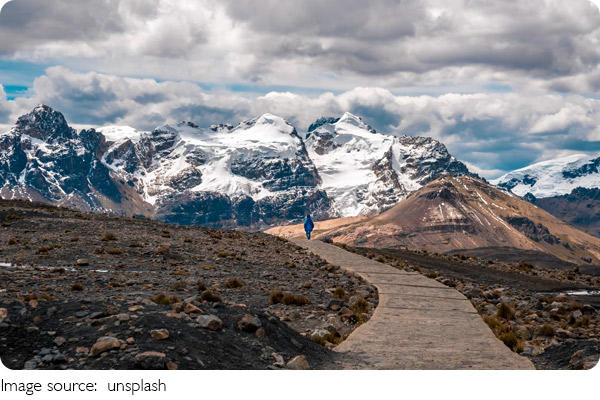
Altitude is the main challenge. Plan acclimatization days, hike at a steady pace, and keep hydration consistent. Ask your operator how they handle emergencies and where exit points are located along the route. Carry blister care, a headlamp, and rain protection, and treat weather shifts as normal—mountains can change mood quickly even in drier months.
Conclusion
A responsible Inca Trail trek is built from small choices: a reputable operator, lighter packing, clear porter protections, and smart planning for sleep and meals before and after the hike. Done well, the experience feels memorable for the right reasons. What matters most for your trip planning—better acclimatization time, a higher-comfort operator, or a quieter base night before the trail?