Galicia: Spain’ Secret Spell

Ravish Kumar
| 09-03-2026
 · Travel team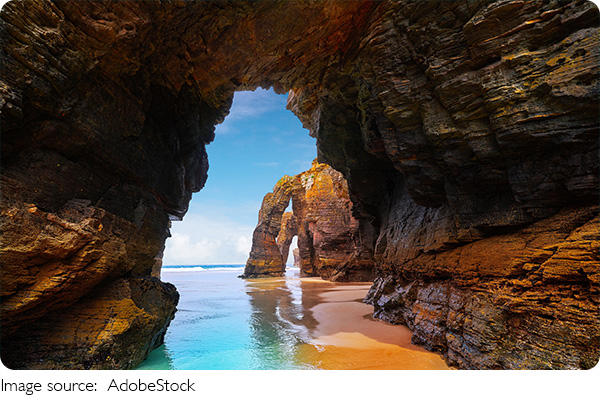
Friends, ever want a trip that feels both wild and easy—green hills one hour, wave-carved cliffs the next, then a warm pastry and a quiet square to end the day?
Galicia delivers that gentle drama, especially when the route is planned around tides, short drives, and a few smart bases. Here’s a practical, stay-and-eat-friendly way to explore.
Choose Bases
For a smooth first visit, build the trip around two hubs: Santiago de Compostela for day trips, then A Coruña for oceanfront walks and a lighter pace. Add one coastal overnight near the “Wild Coast” stretch to reach viewpoints without rushing. In peak months, book lodging early, especially weekends and festival dates.
Santiago Walks
Santiago’s best hours are early morning and late afternoon, when stone lanes glow and crowds thin. Wander the compact old quarter, then reset in shaded parks and small museums that explain local crafts, music, and maritime life. A good rhythm is one landmark loop, one café break, then a relaxed dinner close to your hotel.
Market Bites
Make the Mercado de Abastos the anchor meal stop: it’s ideal for breakfast grazing, picnic supplies, and quick plates cooked from fresh purchases. It typically opens Monday to Saturday in the morning, with the busiest stretch around mid-morning. Go early for the best produce, cheeses, and pastries.
Santiago Sleep
For stays, choose between three styles: historic-center hotels for walkability, quieter modern properties just outside the core for better sleep, or small guesthouses for a local feel. Expect a broad range depending on season—midrange rooms often land around $90–$180, while premium heritage properties can run higher, especially in summer.
A Coruña Day
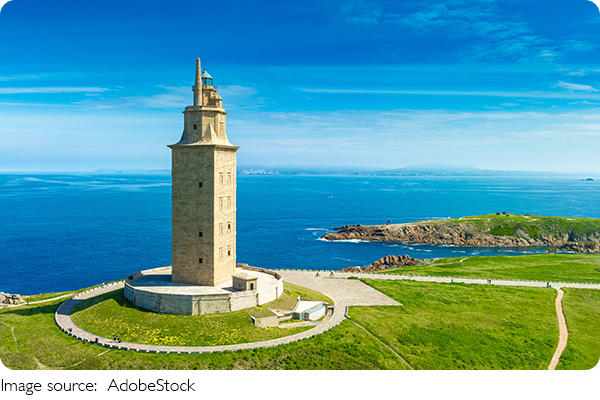
A Coruña’s signature stop is the Tower of Hercules, a sea-edge monument with timed entries. General admission is listed at €3.09, and Mondays are free (ticket still required). Hours typically run 10:00–17:00 most of the year and 10:00–21:00 in summer, with wind-related closures possible.
Seafront Eating
Plan lunch near the promenades with simple, filling Galician classics: savory empanada slices, grilled vegetables, hearty soups, and almond-based desserts. For an easy budget, many casual cafés and counters land around $12–$22 per person for a main plus a drink. Finish with a sunset walk along beaches close to the city center.
Wild Coast
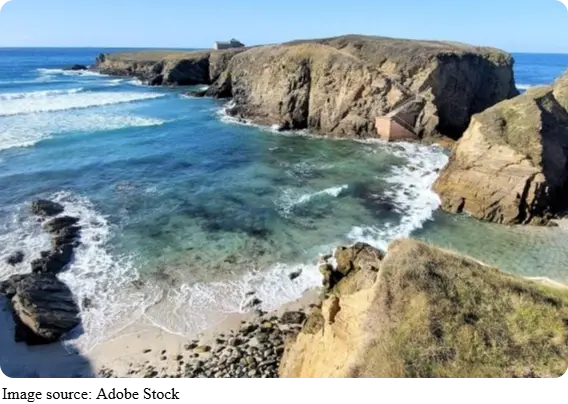
The coastline often called Costa da Morte is perfect for a “scenery loop” day: lighthouse viewpoints, long sandy strands, and small villages where waves slam into rock shelves. Driving gives the most flexibility, but keep plans light—two major stops and one long walk is plenty. Pack a wind layer; Atlantic weather changes quickly.
Fisterra Point
Fisterra’s lighthouse viewpoint is a classic late-day finish because the horizon feels endless and the light turns soft. Parking is usually close, but navigation matters—many visitors note that searching “Faro de Finisterre” helps avoid being routed to a longer approach. Bring snacks and arrive early to claim a safe viewing spot.
Faro de Fisterra
Praia Timing
Praia das Catedrais is all about timing and access rules. During peak periods, entry requires a free reservation, and the official booking site notes the requirement from 01 July to 30 September. Pair the visit with a low-tide window so the arches and caves are reachable; check tide charts the day before.
Ribadeo Sleep
For this coast, Ribadeo is a comfortable base with more lodging and dining choices than the beach access point itself. Plan on midrange hotels and guesthouses in the $80–$160 band in busy months. For dinner, look for set menus featuring local vegetables, rice dishes, and bakery counters—ideal for a simple, early night.
Monte Pindo
Monte Pindo is a granite hike with big views and a rugged feel. Short out-and-back options can fit in a half day, while longer routes suit strong walkers who enjoy rocky footing. Sturdy shoes matter, and starting earlier avoids slippery stones after coastal fog. Expect the wind to rise near exposed viewpoints.
Ézaro Falls
The Ézaro waterfall is a memorable contrast after beaches—fresh water, shaded paths, and viewpoints that feel close to the spray. Local tourism sites highlight evening illumination on summer Saturday nights (typically 23:00–00:00 from late June to late September), and the calendar is free to attend—arrive early for parking.
Transport Tips
Trains make the Santiago–A Coruña connection easy, with a fast trip around 31 minutes and frequent departures; same-day fares often fall near $8–$10 depending on time and demand. For remote beaches and headlands, a rental car is still the most practical tool, especially when chasing tide windows.
Conclusion
Galicia feels most magical when the trip is paced like the landscape: one old-town stroll, one market meal, and one big Atlantic viewpoint per day. With smart bases, tide timing, and a few reserved tickets, the region becomes calm to navigate and rich to remember. Which mix sounds best: cities plus lighthouses, or beaches plus hikes?